
Load Sensing Proportional Directional Spool Valve
Load-sensitive proportional directional control for mobile machinery and heavy-duty hydraulic systems
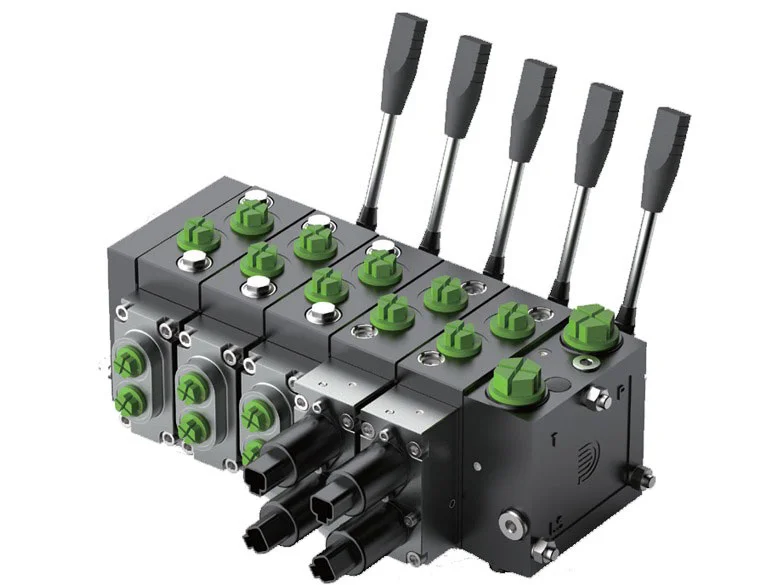
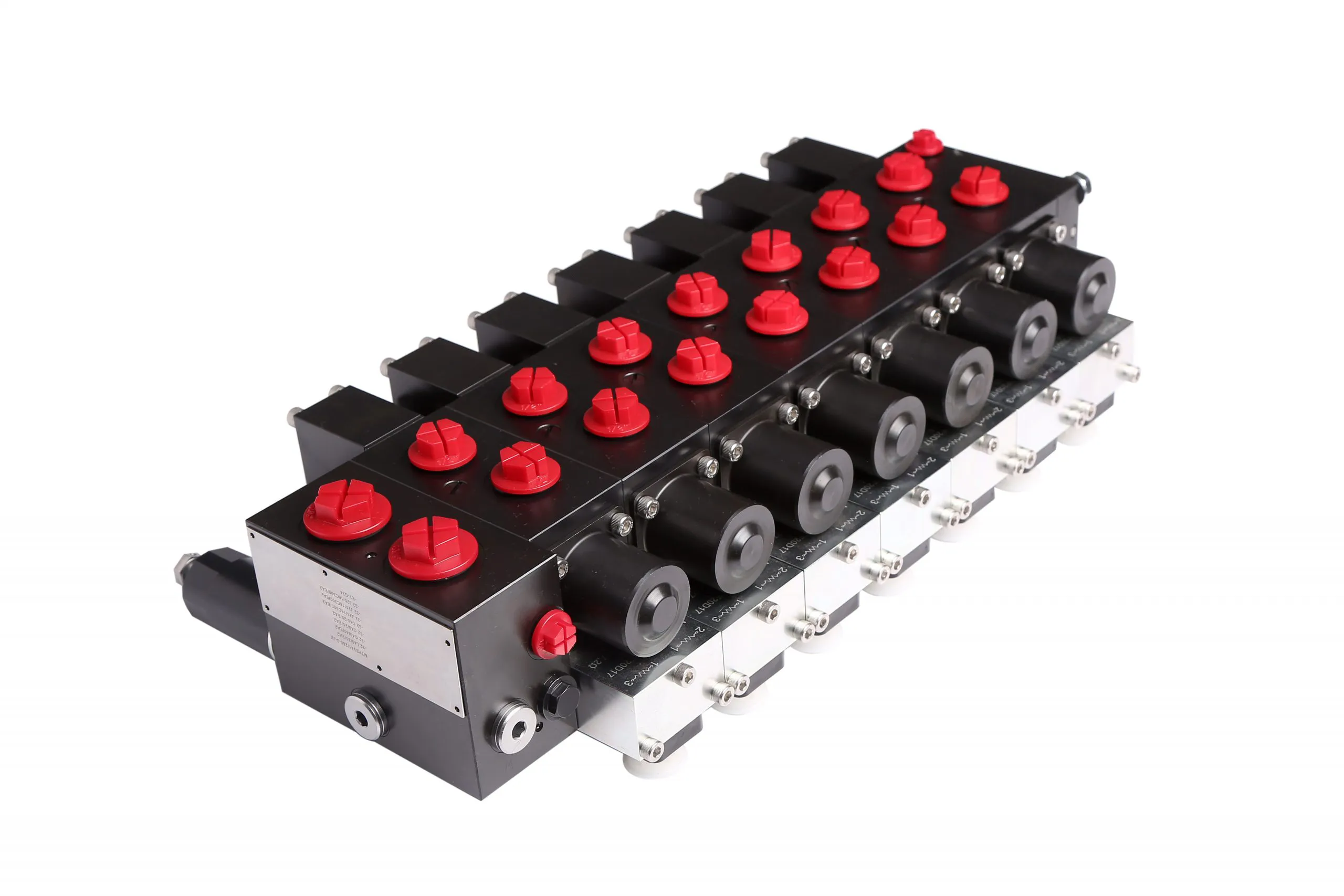
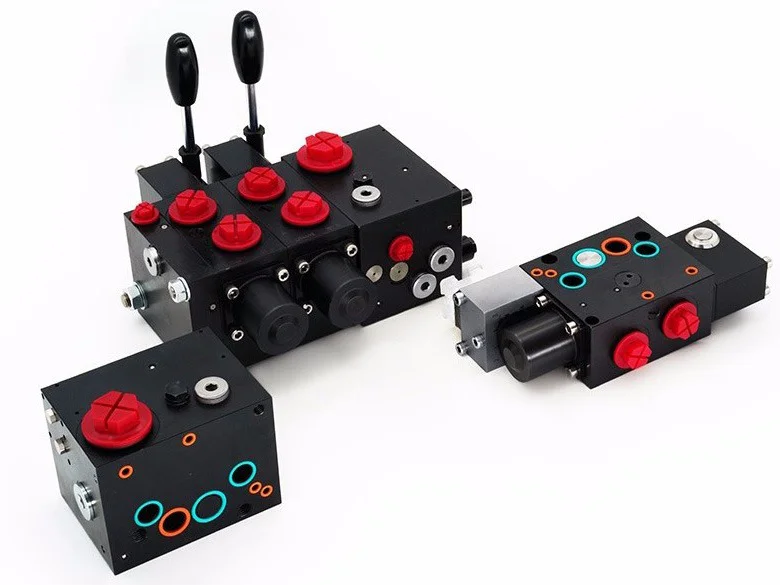
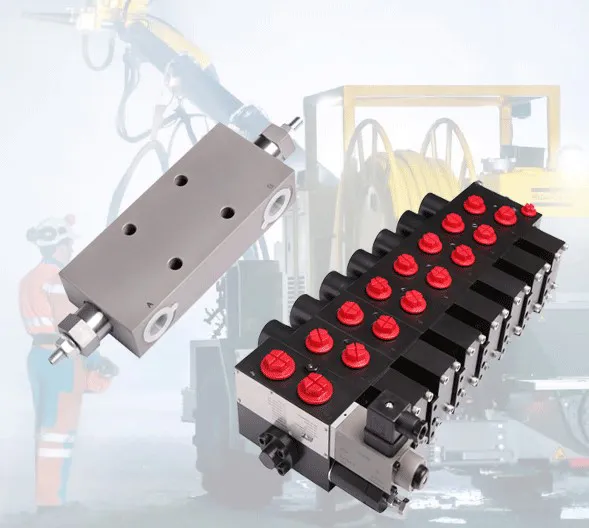
Product Overview
The proportional directional spool valve incorporates load-sensitive (load-sensing) control technology that dynamically adapts flow distribution based on system load conditions. This ensures that actuator movement remains stable and predictable regardless of pressure fluctuations.
In load-sensing hydraulic systems, the valve allows the pump to supply only the pressure and flow required by the highest load, significantly improving system efficiency and thermal behavior. This control principle is especially advantageous in mobile machinery and multi-actuator hydraulic circuits.
Proportional directional spool valves are a type of directional valve. They control the direction of movement and the velocity of individual or multiple hydraulic consumers actuated simultaneously.
Control is independent of the load and continuous. It is possible to operate several actuators simultaneously and independently of each other at different speeds and pressures until the sum of the flows through all actuators reaches the maximum flow rate of the pump output.
The valve platforms follow established load sensing architectures commonly associated with HAWE and Danfoss PVG32 systems.
Key Advantages
- Load-sensitive proportional directional control
- Optimized for mobile machinery
- Energy-efficient system behavior
- Flexible control integration
- Modular sectional structure
- Industry-standard interchangeability
Operating and Control Options
Electro-hydraulic control
Enables precise electronic signal-based control for automated and intelligent hydraulic systems.
Pilot joystick control
Compatible with non-detented proportional pilot control joysticks, allowing smooth hydraulic directional control without stepped switching.
Manual actuation
Provides direct mechanical control for simplified systems or emergency operation.
CAN bus control
Supports CAN bus communication for centralized valve control, enabling coordinated operation, system diagnostics, and software-based configuration within intelligent hydraulic systems.
Specification
- Flow variants: Size 2, Size3, Size5, Size7, and LSPV32
- Compensation concept: Pre-compensated load sensing design
- Basic operating conditions:
Pilot control pressure ≤ 20 bar
Electrical supply: 12 V DC / 24 V DC
Hydraulic oil cleanliness: NAS 7 or better
Recommended oil viscosity: ISO VG 46
Operating temperature: ≤ 80 °C
Please inform us in advance for low-temperature operation below −20 °C or for alternative oil viscosities.
In load-sensing hydraulic systems, the valve allows the pump to supply only the pressure and flow required by the highest load, significantly improving system efficiency and thermal behavior. This control principle is especially advantageous in mobile machinery and multi-actuator hydraulic circuits.
Applications
- Mobile machinery with load-sensitive hydraulic systems
- Cement plant equipment, including grate coolers
- Heavy-duty industrial hydraulic machinery
- Multi-actuator systems requiring load-independent flow control
Compatibility and Interchangeability
Proportional directional spool valves follow industry-recognized load-sensing design principles and can be integrated into existing load-sensitive hydraulic systems with minimal modification.
The valves are interchangeable with commonly used load-sensing proportional directional spool valves from leading manufacturers, including HAWE Hydraulik SE and Danfoss, enabling efficient replacement, retrofit and system optimization.
Engineering Support & Configuration
The load sensing proportional valve platform can be configured according to application requirements. Engineering support is available for system selection, configuration planning, and OEM integration.
Download
Technical Data Sheet
FAQ
The valve can be perfectly matched with a load sensing variable pump, and is also compatible with fixed displacement pumps (such as gear pumps and fixed displacement piston pumps).
Our Load Sensing Proportional Directional Spool Valve uses pre‑orifice pressure compensation. A 2‑way pressure compensator is placed before the metering orifice of each section, which effectively ensures that multiple actuators do not interfere with each other during compound movements. This design also offers better cost efficiency and reliable response.
To ensure correct sizing, please provide: 1 ) Maximum operating flow and maximum pressure per section; 2 ) Control method (manual, hydraulic pilot, electric, etc.); 3 ) Number of actuators that will operate simultaneously; 4 ) Type of hydraulic pump being used.
Our Load Sensing Proportional Directional Spool Valve has good interchangeability in mounting dimensions and port layout with some Hawe multi‑way valve models and certain PVG32 series models. Please consult our sales engineer for specific cross‑reference details.
We are a direct manufacturer with our own production base. Due to a division of responsibilities, we keep manufacturing and international trade operations separate. Product quality and after‑sales service are directly ensured by the manufacturing facility.
We support sample evaluation, but each request from international customers is reviewed on a case‑by‑case basis. For customers with a clear project need, a suitable application scenario, and demonstrated cooperation potential, we can provide targeted sample support.
Discuss Your Hydraulic Control Requirements, It's a exciting start!
- Your information will be kept secure and will not be disclosed without authorization.
- For the products in the catalogue, we will provide technical date and quotations within 24 hours.
- You will receive a response to your inquiry from our dedicated staff.